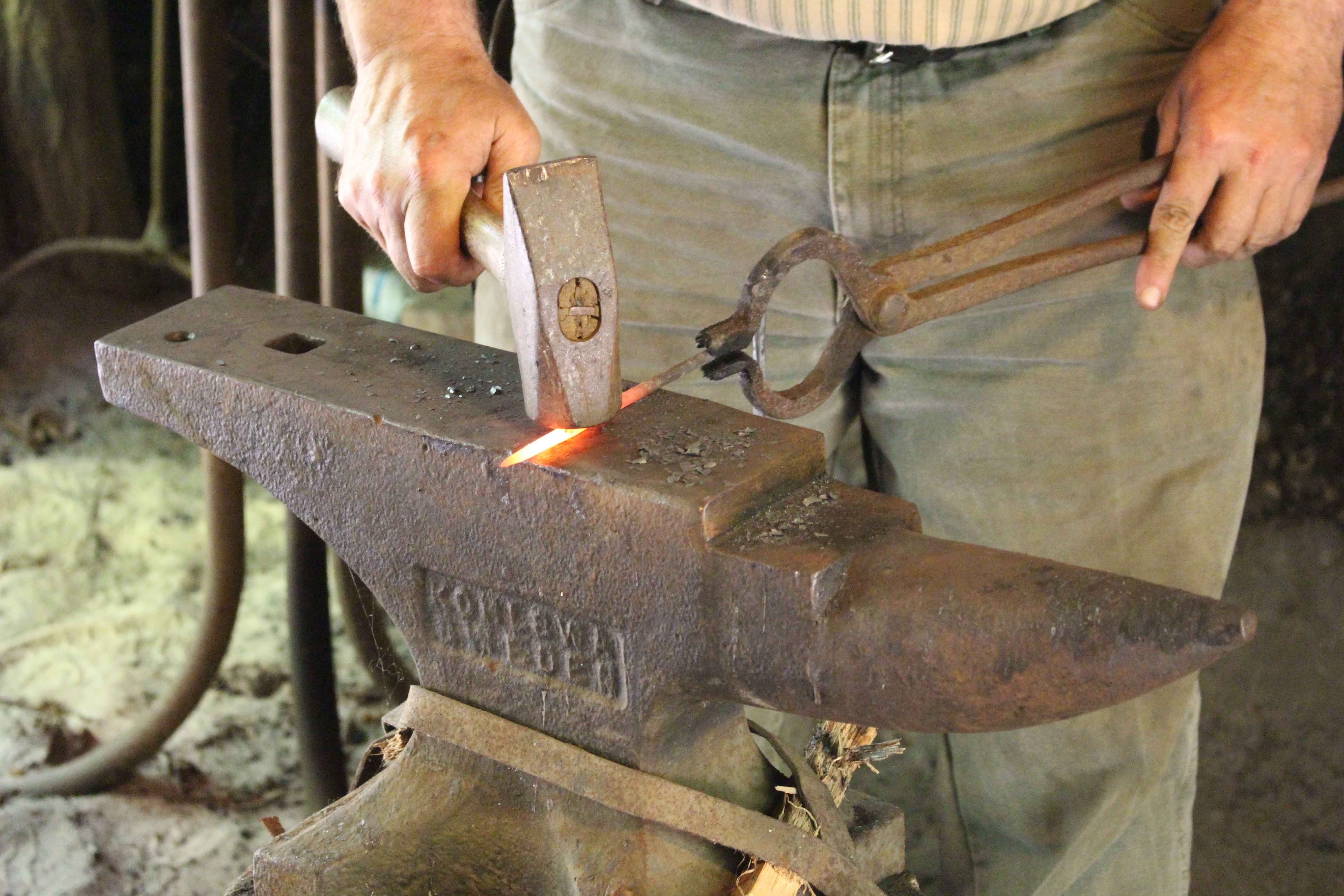
At The Museum


The Gristmill


The Chapel


The Wagon Shed

AND SO MUCH MORE!


Directions to the Museum

The Foxfire Museum is tucked away on a mountainside in Mountain City, in the northeastern tip of Georgia—beautiful Rabun County. We are within two hours' drive from Asheville, Atlanta, Greenville, and Knoxville. Scenic US Highway 441 is the route to take. Once you've reached Mountain City, turn onto Black Rock Mountain Parkway near the middle of town.


Click for larger map


Feel free to stop at Foxfire's information display (an 1800s corn crib and wagon shed) just after turning for a detailed map and directions,


The Nicholson Corn Crib

or continue on up the Parkway and simply follow the small brown signs to Foxfire Lane and stop at the Gate House, the first log cabin you'll see.


The Gate House,
entrance to the Museum


The Foxfire Museum & Heritage Center

If you’re traveling anywhere near the mountains of northeast Georgia, plan a visit to Mountain City and take a walk through the past at The Foxfire Museum and Heritage Center, a piece of a unique time in America's past that is almost long gone, captured by local high school students who truly valued their heritage.

Here you will find the homes, tools, trades, crafts, and the lifestyle of the all-but-vanished pioneer culture of the Southern Appalachian mountains. Foxfire students began interviewing their families, friends, and neighbors in 1966. Many times, these folks would give the students some old tools or the finished hand-crafted items they were discussing or documenting. Very quickly, Foxfire was growing an extensive artifact collection. When The Foxfire Book became a national phenomenon, Foxfire gained a source of capital (book royalties) to fund new growth. In 1974, Foxfire students elected to purchase land on Black Rock Mountain and created a physical presence in the community. From the beginning, the students intended this property to be a place of interaction between themselves, their work, and their community.

Foxfire’s new homeplace opened up a whole new realm of possibilities for the students – they could now collect and preserve a very significant piece of endangered Southern Appalachian culture that they had never been able to even consider before – the log cabins that were home to so many generations of their ancestors. About half of the 20+ log cabins at the Museum are authentic structures, standing nearly as they were originally built as many as 180 years ago. The rest of the cabins are traditional designs, constructed from usable pieces of barns, homes or other buildings too deteriorated to be reassembled, and represent structures that could not be found intact or would not be parted with by their owners.


Self-Guided Walking Tours

For a small admission fee, visitors can take a self-guided walking tour of the Museum along a trail that climbs the property, winding throughout the cabins and grounds (for visitors with mobility issues, some parts of the Museum are vehicle and wheelchair-accessible). A souvenir tour booklet provides photos and extra information on each of the cabins along the trail. While on the tour, keep in mind that nearly everything you see is the result of the work of high school students who valued their heritage. Most of the artifacts on display were gathered by students while conducting interviews for The Foxfire Magazine, and the log cabins themselves were tagged, disassembled, moved, and rebuilt largely by the labor of the students as well.

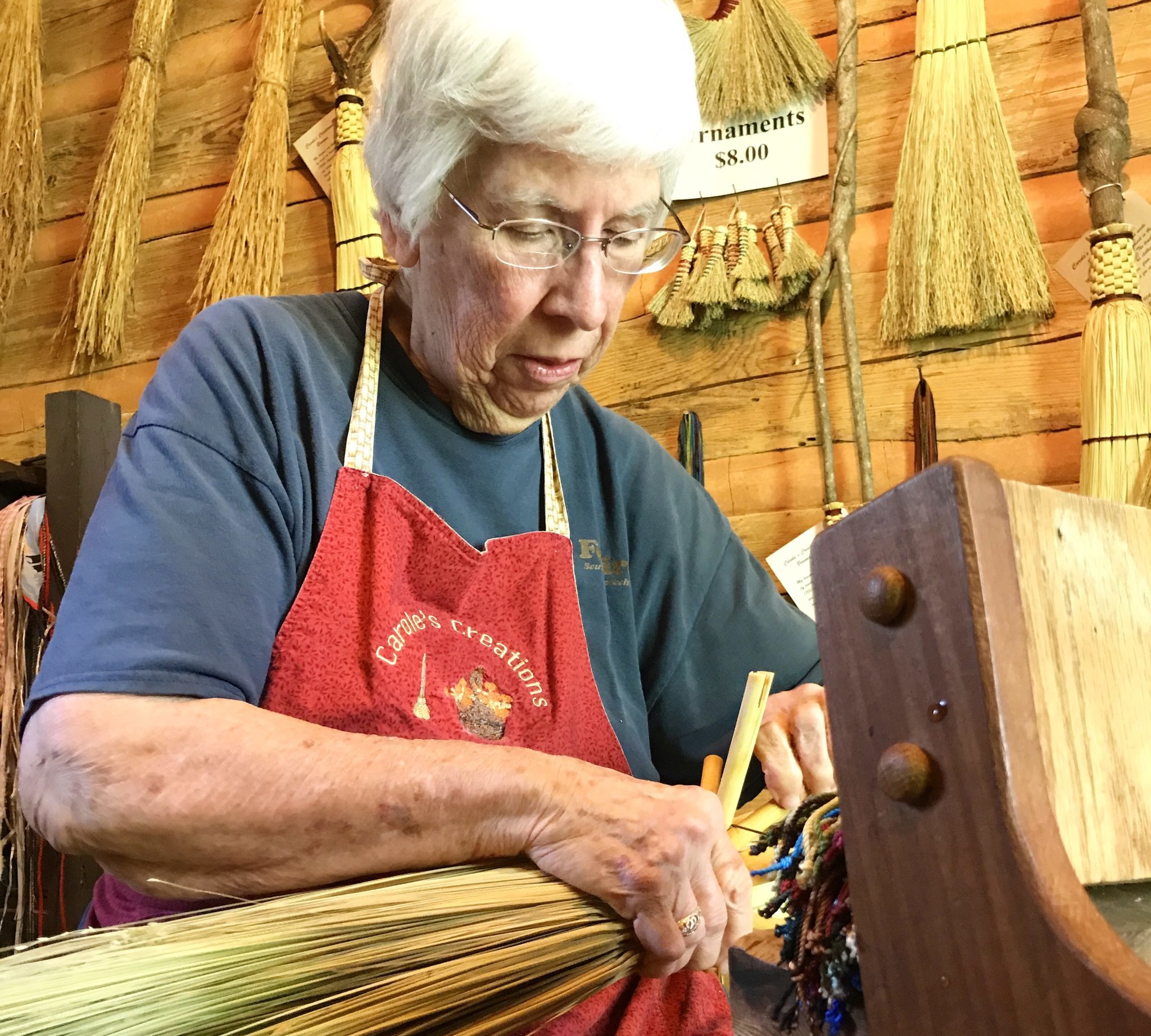
Experience the simple, functional interior of a single-room 1820s log home that raised three generations of 10 children each. Look over a 1790s "tar grinder" wagon - the only one in existence documented to have been used in the Trail of Tears. Peek into displays of woodworking tools, housewares, folk art, and farming tools. Test your balance on stilts, a traditional Appalachian amusement. At the peak of the trail is the replica Chapel, where visitors can sit a spell on the split-log pews (hand-made by middle-schoolers) and then ring the bell on your way out. See how many different plants you can spot along the nature trail heading back down from the Chapel. Take photos of your family in the upstairs window or in front of the water wheel at the gristmill, after inspecting the half-ton mill stones and wooden gear teeth. Spend a few minutes with The Village Weaver, artist-in-residence Sharon Grist, who's happy to share her love for spinning, knitting, and weaving with visitors during the week. Finish up back at the gift shop, where all of Foxfire's publications are available for purchase, along with a wide selection of related books and a variety of traditional hand-made crafts including pottery, soaps, wood toys, and textile goods.


Guided Tours for Schools and Groups

Foxfire currently offers guided tours on a limited basis for school, home-school, camp, or other groups of six or more. Featuring plenty of information on the ways of old, interesting bits of folklore, various demonstrations, and access to closed displays, guided tours are truly special. While the best possible experience is for groups of 15-20 guests, we do occasionally arrange to handle larger groups. For information on costs, availability, and scheduling, contact us by email (foxfire@foxfire.org) or phone (706-746-5828).

Current News

2008 Events

There are two
exciting new events
coming up soon.

Please visit NEWS
for details on
Living History Days
and
Community Awareness Day.


Fall Heritage Festival

The 2008 Festival
is scheduled for
September 27th.


Heritage
Workshops


The Village Weaver

The Village Weaver, artist-in-residence Sharon Grist, is offering an array of fiber-art classes at Foxfire in 2008.
Please visit NEWS
for full course listings and details.


If you are interested in taking heritage workshops in other fields, please use the "Contact Us" page to drop us a line and let us know what you're interested in.